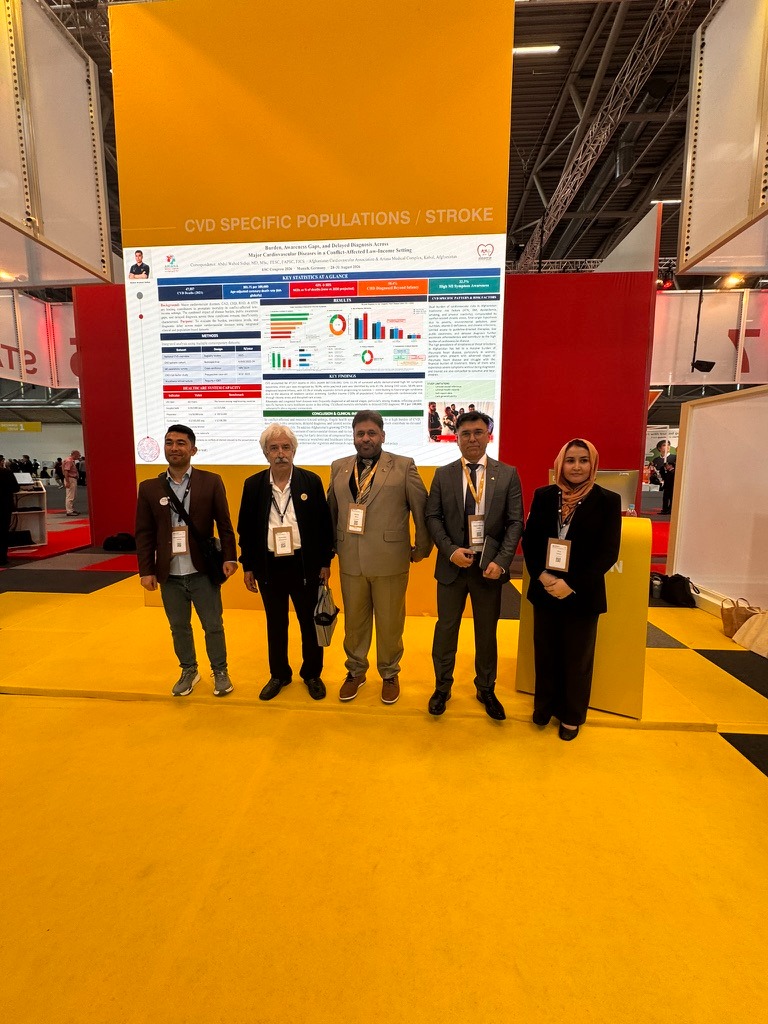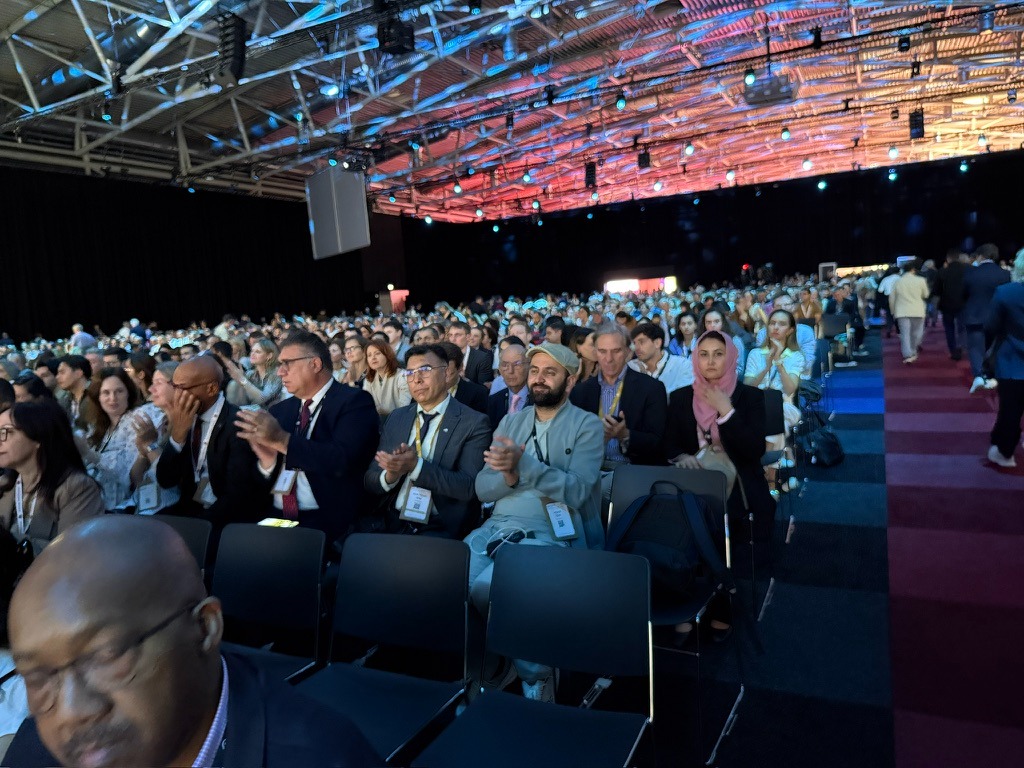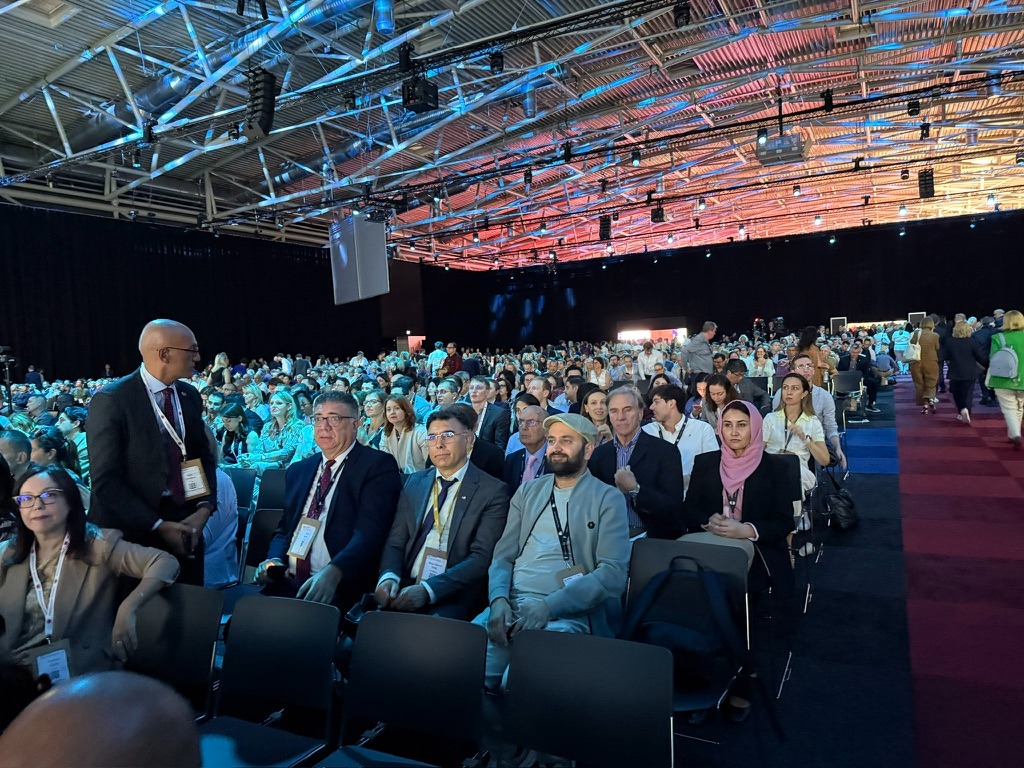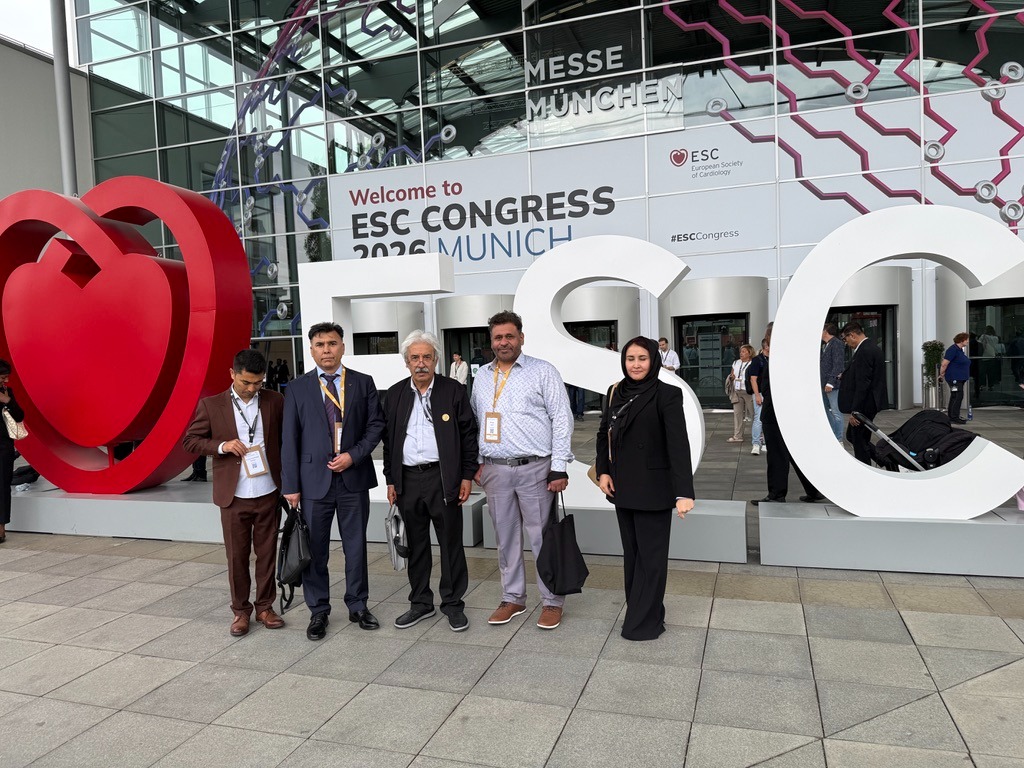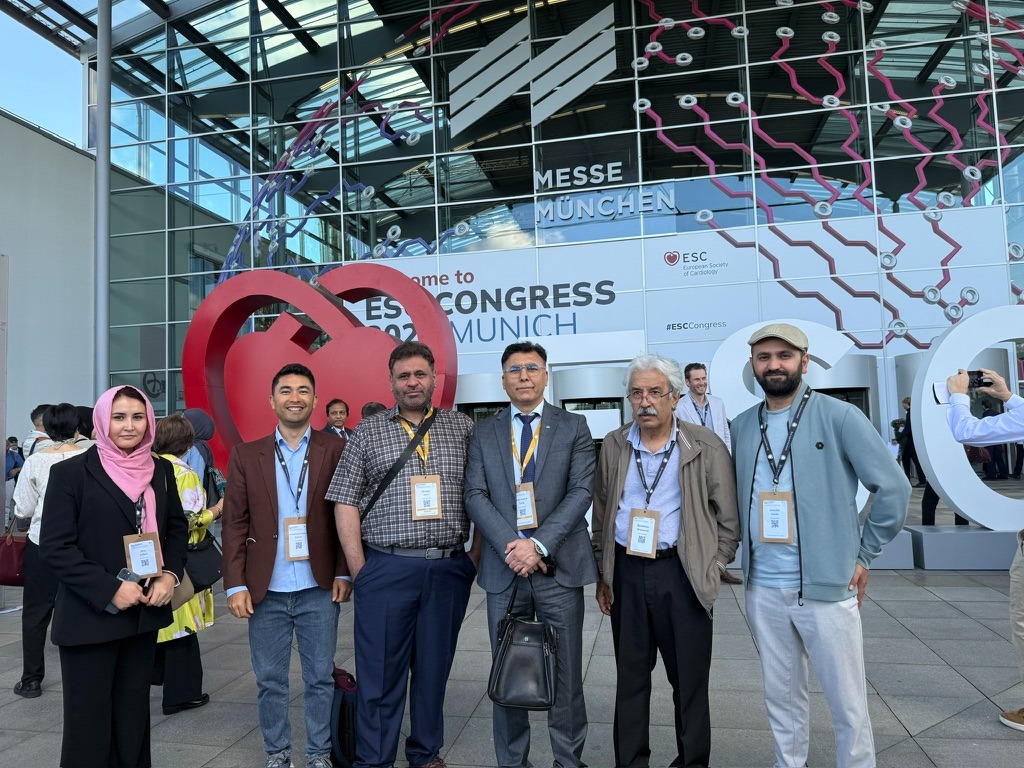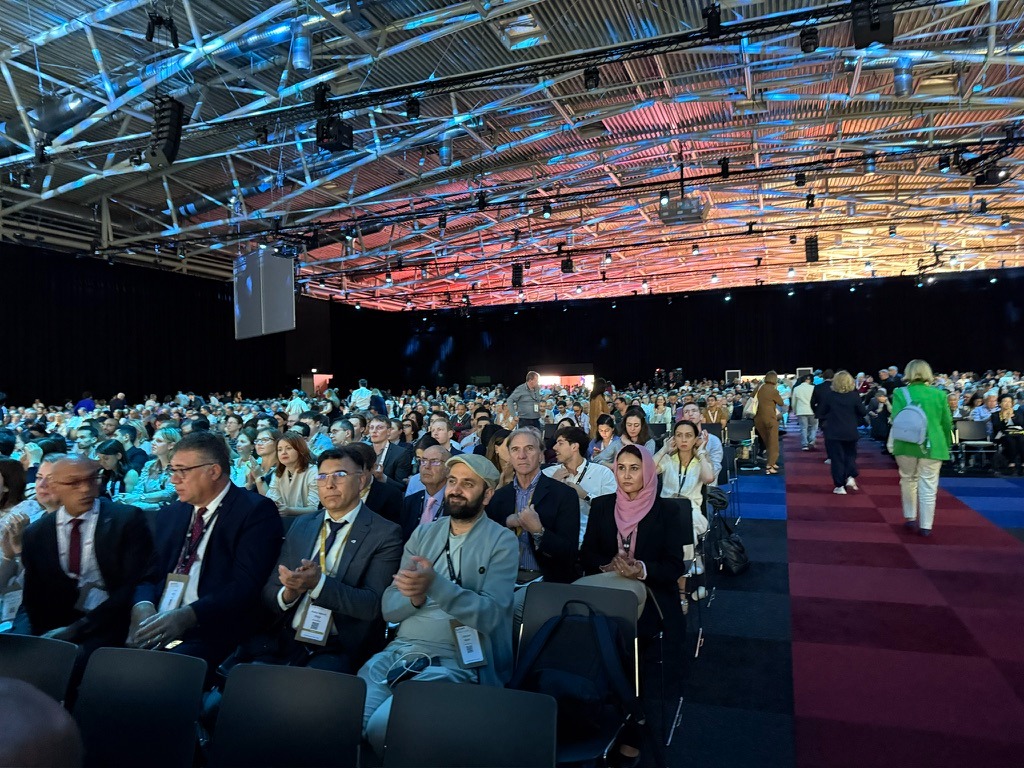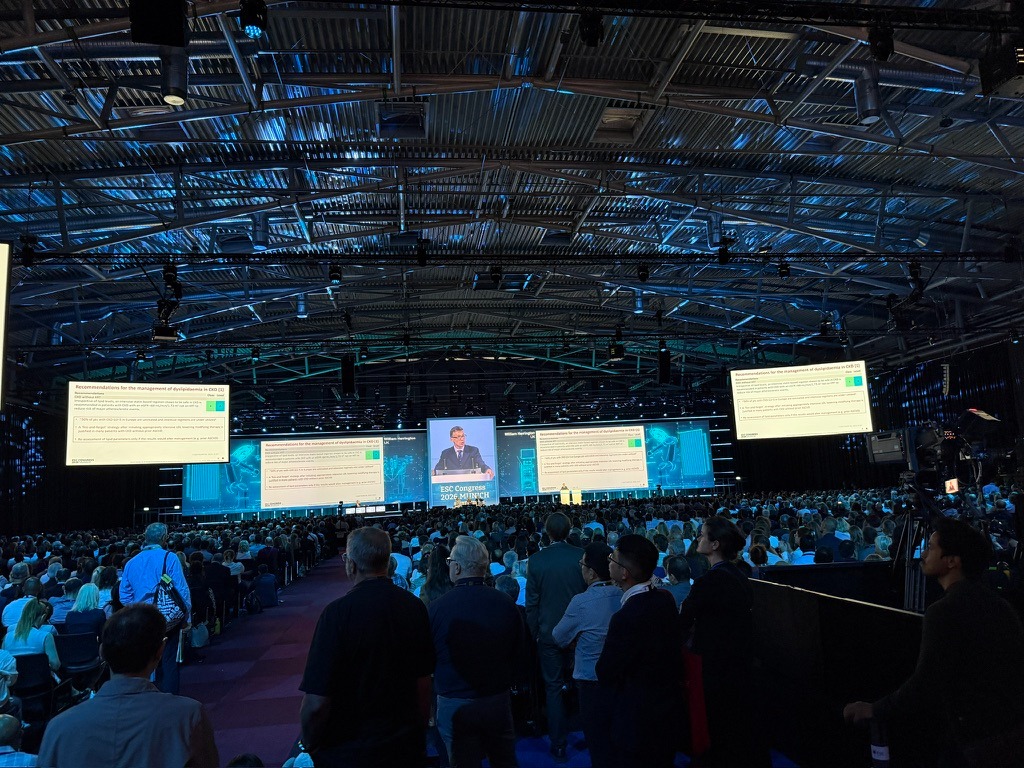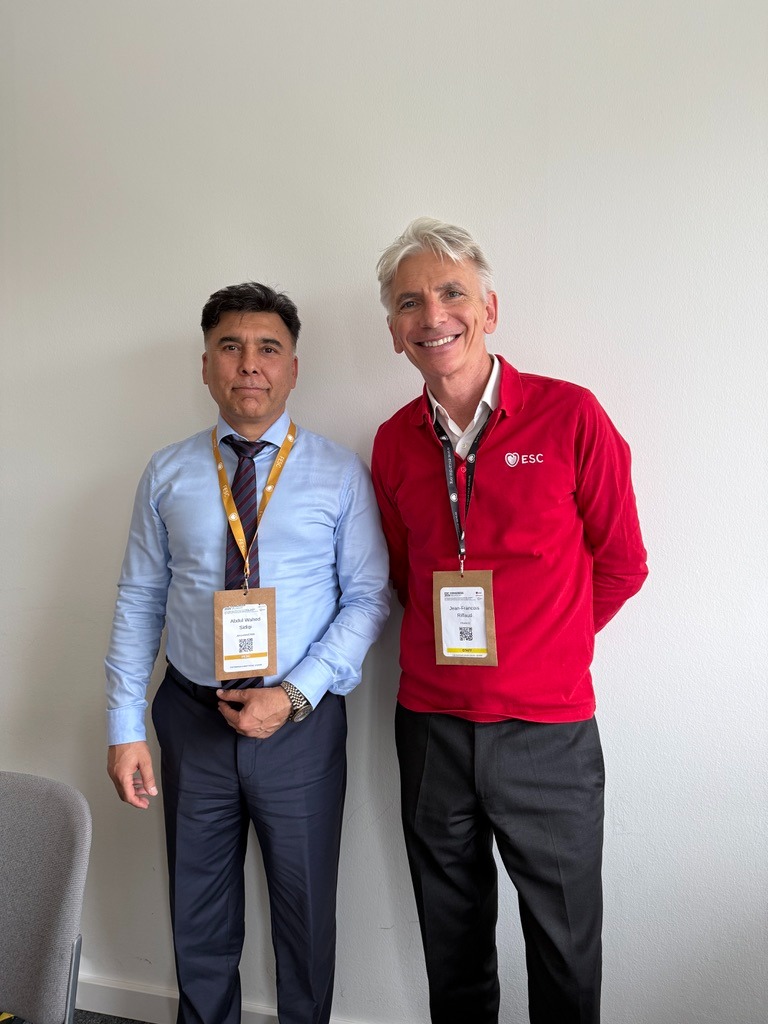
During ESC Congress 2026 in Munich, Germany, Assistant Professor Dr. Abdul Wahed Sidiqi, President of the Afghanistan Cardiovascular Association (ACA), contributed through a scientific poster presentation, while Dr. Mirwais Amiri, Board Member of the Afghanistan Cardiovascular Association (ACA), served as a chairperson in one of the scientific sessions, representing Afghanistan’s scientific participation at this international event.
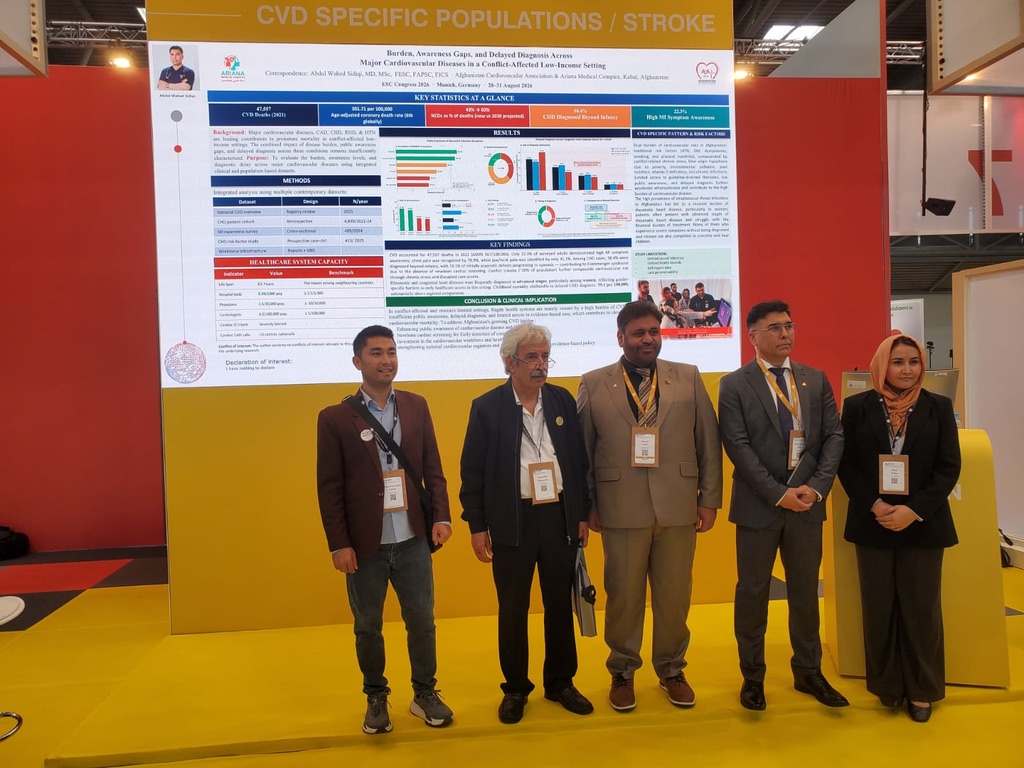
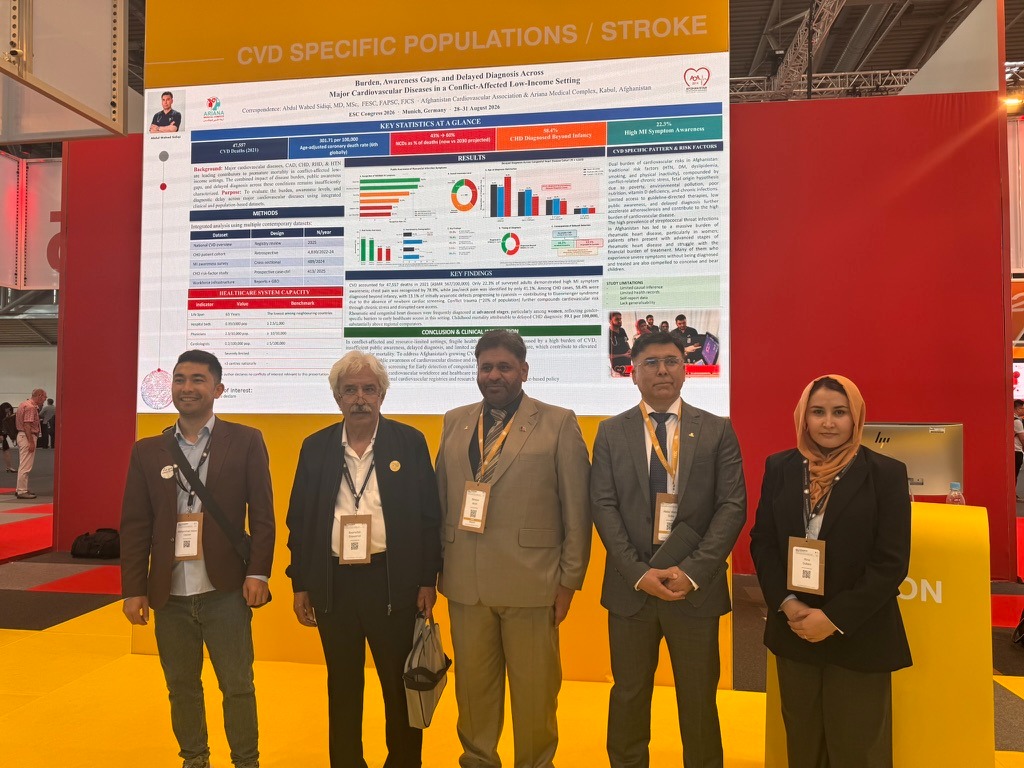
Assistant Professor Dr. Abdul Wahid Sediqi presented his scientific poster entitled:
“Burden, Awareness Gaps, and Delayed Diagnosis Across Major Cardiovascular Diseases in a Conflict-Affected Low-Income Setting”
The presentation provided a comprehensive overview of the cardiovascular disease landscape in Afghanistan, highlighting the substantial burden of cardiovascular diseases, low levels of public awareness, delays in diagnosis, and limited access to evidence-based healthcare as major challenges in addressing cardiovascular diseases.
Key messages from the presentation included raising public awareness, early detection of congenital heart disease, particularly through newborn screening, strengthening the cardiovascular workforce and infrastructure, and developing national registries and research capacity.
The poster was presented within the session “Primary Care Perspectives on Heart Failure, Lifestyle, and Gaps in Cardiovascular Prevention,” providing a valuable opportunity to highlight the realities of cardiovascular diseases in Afghanistan and present the country’s scientific evidence and perspectives on an international platform.
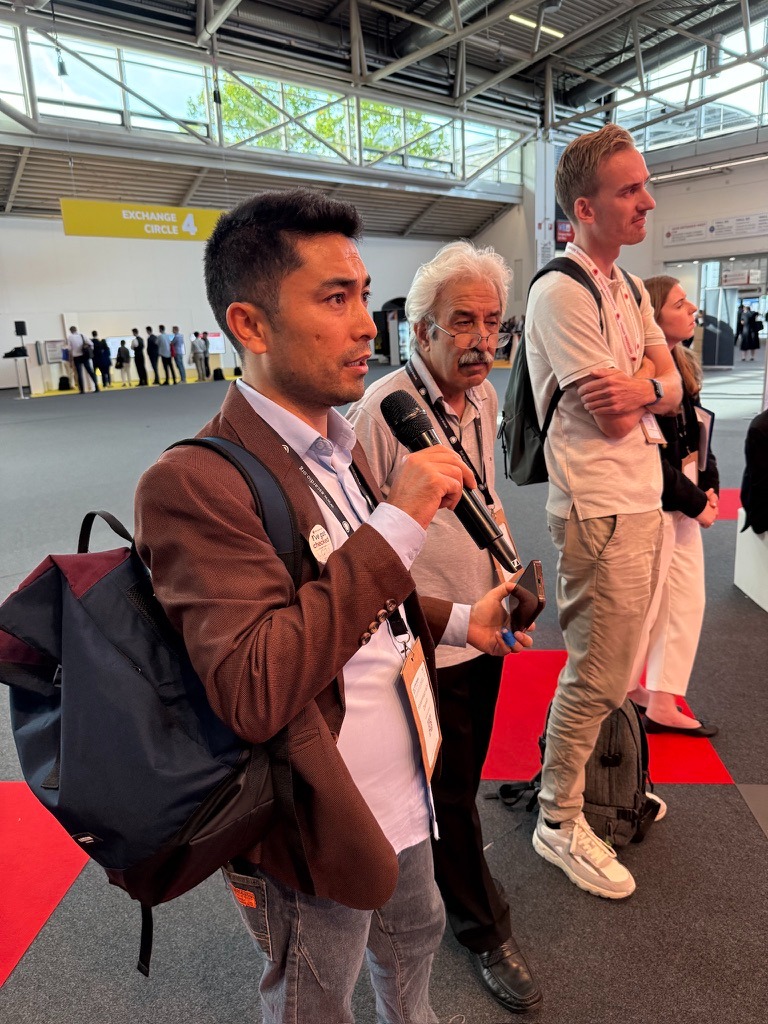
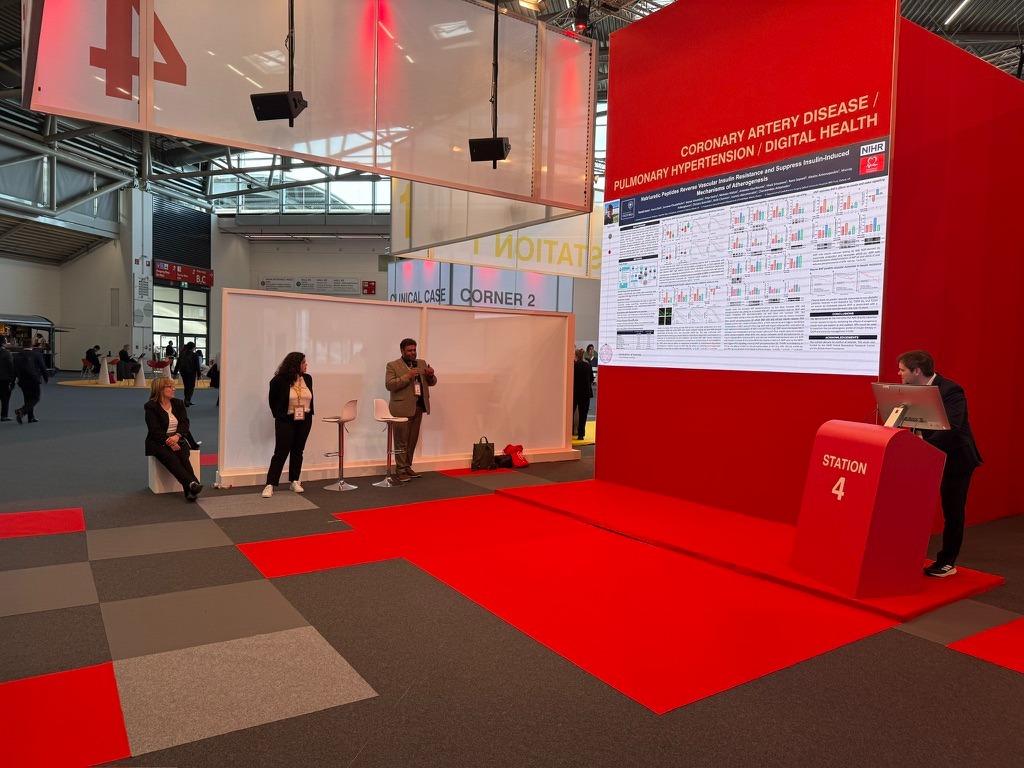
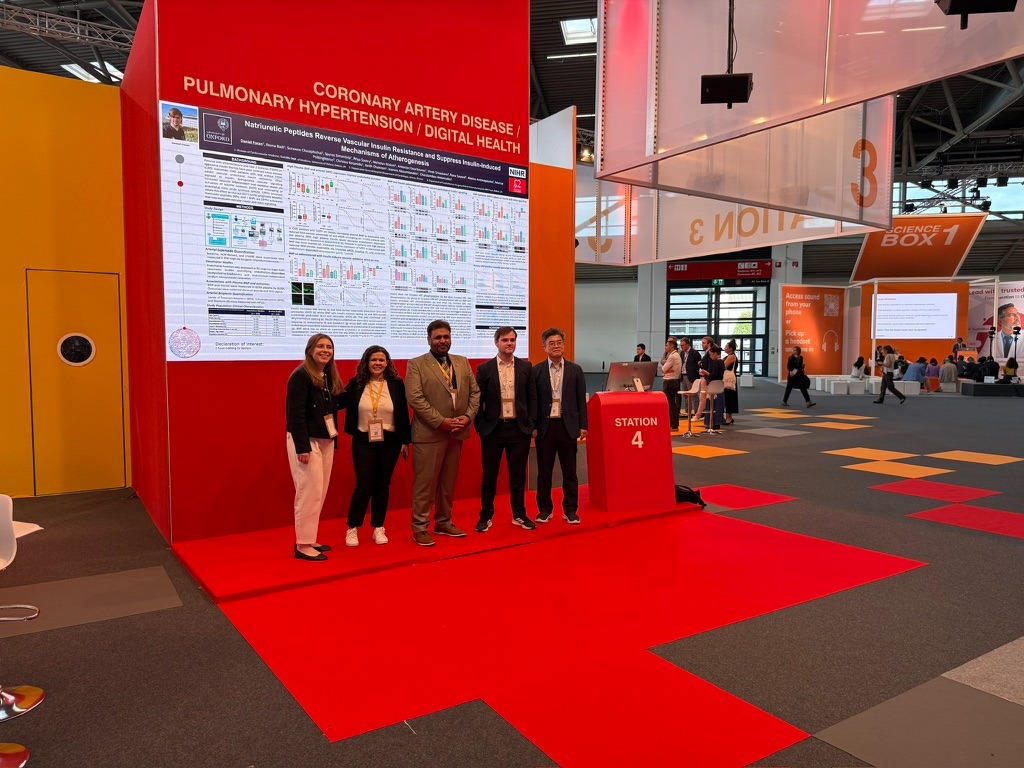
In addition, Dr. Mirwais Amiri served as a chairperson in the scientific session “coronary artery disease / Pulmonary Hypertension / Digital Health,” contributing to the advancement of scientific discussions during the congress.
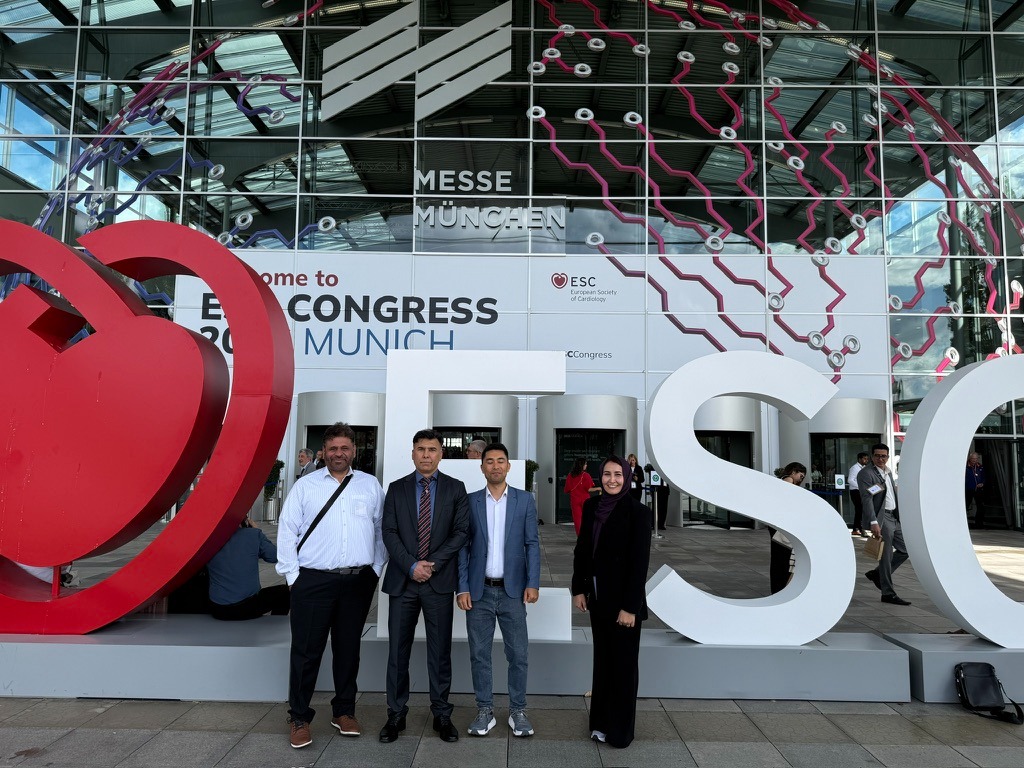
Alongside these two scientific representatives, Dr. Bismillah Shiwamal, Dr. Zabihullah Adib, Dr. Mohammad Akbar Danish, and Dr. Rina Sultani also participated in the scientific programs and activities of the congress, accompanying Afghanistan’s scientific delegation.
Beyond scientific presentation and knowledge exchange, this participation provided valuable opportunities for building new scientific and professional connections, exchanging experiences with international experts, and fostering potential future scientific collaborations.
Afghanistan’s participation in ESC Congress 2026 represents a valuable step toward strengthening international scientific connections and showcasing the country’s research and scientific capacity on the global stage.